

NDIS Positive Behaviour Support (PBS) in Adelaide
Our Positive Behaviour Support therapists have proven results in helping you or loved ones to break free from challenging behaviours or limitations and experience the world with confidence.
Positive Behaviour Support (PBS) is an evidence-based, NDIS-funded approach to understanding and reducing behaviours of concern in people with disability. SACARE's registered PBS practitioners in Adelaide develop individualised Behaviour Support Plans that address the root causes of challenging behaviour, build new skills, and improve quality of life for participants and their support networks across South Australia.
What Is Positive Behaviour Support?
Positive Behaviour Support is not about managing behaviour, it is about understanding it. Every behaviour communicates something. Our PBS practitioners start by asking why a behaviour is occurring, what unmet needs or environmental factors are driving it, and what support the participant needs to develop safer, more effective ways of expressing themselves.
This approach is formally recognised by the NDIS Commission and is required for any NDIS participant subject to regulated restrictive practices. SACARE's PBS team includes registered Behaviour Support Practitioners who operate under the NDIS Quality and Safeguards Commission's Practice Standards.
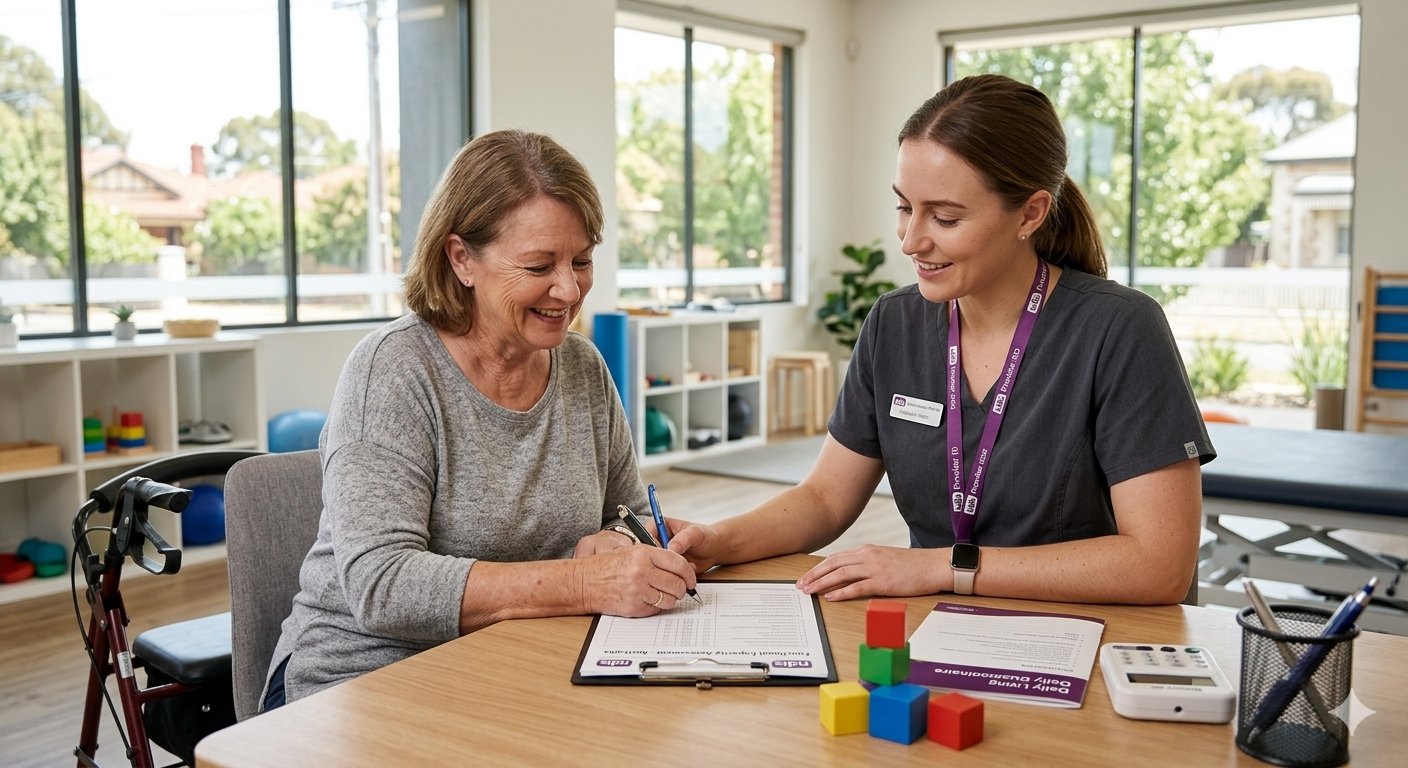

Our Aim is to Reduce Behaviours of Concern
We’ll develop engaging and fun ways to adapt to changing environments, learn new skills and reduce behaviours of concern. Our holistic and person-centred methods use research-based science to proactively support our clients to live their best life.
Positive Behaviour Support Services include:
Tools and strategies for self-soothing
Positive interactions and stimulations
Positive programming (finding routines that are fit for all environments)
Coping & tolerance skills
Learning tips and strategies for:
At-risk and aggressive behaviours
Redirecting behaviour
Changing the background/stimulus
What Our PBS Practitioners Do
SACARE's PBS practitioners work directly with participants, families, carers, and support workers to design and implement strategies that make a real difference in daily life. This includes:
Conducting functional behaviour assessments to understand the purpose of behaviours of concern
Developing NDIS-compliant Behaviour Support Plans (BSPs) tailored to the individual
Advising on and documenting any regulated restrictive practices in line with NDIS requirements
Training support workers, carers, and families in implementing the behaviour support plan
Monitoring outcomes and reviewing the plan regularly as the participant's needs evolve
Providing crisis planning and de-escalation strategies for high-risk situations
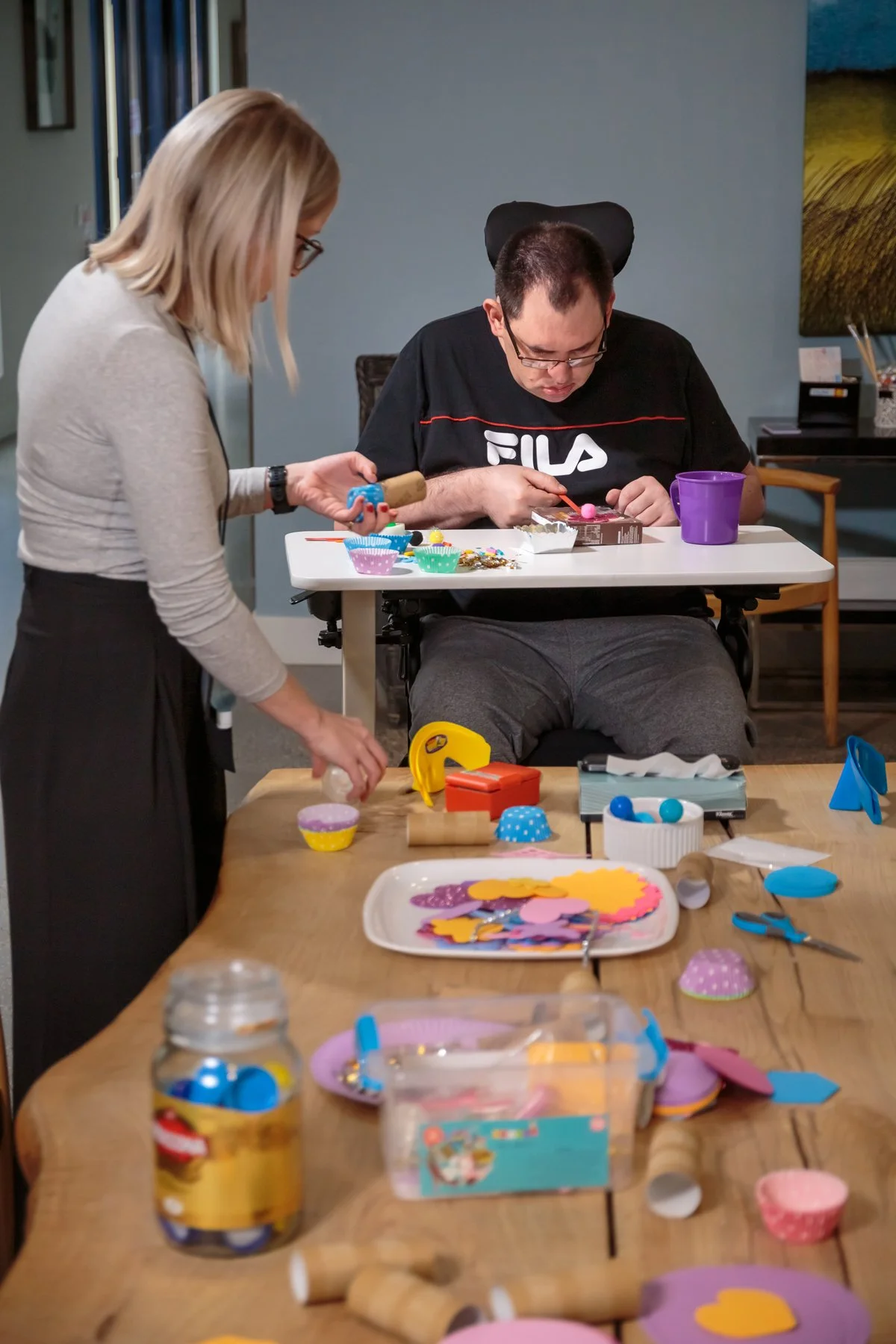
What a Behaviour Support Plan Includes
A Behaviour Support Plan (BSP) developed by SACARE will typically include:
A profile of the participant, their communication style, preferences, history, and strengths
A description of the behaviours of concern and their likely functions
Proactive strategies, environmental changes, skill-building, and routine adjustments
Reactive strategies, how to respond safely and consistently when behaviours occur
Restrictive practice documentation (if applicable) and authorisation pathway
Goals, measurable outcomes, and a review schedule
How to Access PBS Through SACARE
PBS is funded under a participant's NDIS plan under Improved Daily Living (Capacity Building). To access PBS through SACARE:
Check your NDIS plan includes Improved Daily Living funding
Contact SACARE's Intake team on 1300 145 636 or via the enquiry form below
We will match you with a registered PBS practitioner and arrange an initial assessment
Your practitioner will develop a Behaviour Support Plan in collaboration with you and your support network
Support coordinators and LACs are welcome to refer participants directly, contact our team for a referral pathway.

Our Clinical Framework
We’ve got you covered, 24/7
SACARE’s clinical quality and safety team train, educate, and review their methods to stay ever responsive to changing needs and technologies.
-
The NDIS formally uses the term Positive Behaviour Support (PBS), not behaviour therapy. PBS is a human rights-based, evidence-driven framework that focuses on understanding the reasons behind behaviour and building positive alternatives, rather than simply managing or suppressing it.
-
PBS is funded under Improved Daily Living (Capacity Building) in an NDIS plan. If a participant has behaviours of concern, a planner or LAC can include PBS funding. Contact SACARE if you need support requesting this at your next plan review.
-
Restrictive practices are any strategies that restrict the rights or freedom of movement of an NDIS participant. They must be documented in a Behaviour Support Plan, authorised by the relevant state authority, and actively reduced over time. SACARE's practitioners manage this process in full compliance with NDIS Commission requirements.
-
The timeline varies depending on complexity, but SACARE aims to complete an initial assessment within 2–4 weeks of referral and deliver a draft Behaviour Support Plan within 4–8 weeks.
-
Yes. SACARE's PBS practitioners work closely with our SIL support teams to ensure behaviour support strategies are implemented consistently across all environments, home, community, and day programs.
Ready to experience the transformative power of Positive Behaviour Support Therapy?
Fill out our form today and take the first step towards a brighter future. Our dedicated team is here to support you, empower you, and help you overcome challenges, leading to a more fulfilling and meaningful life. Don't wait, let us be your partner on this journey of positive change and growth.