
Navigating The 2026 NDIS Reforms: What Australian Participants Need To Know About Support Needs Assessments
The NDIS landscape across Australia is undergoing a fundamental shift. For years, NDIS eligibility and funding were heavily tied to a medical diagnosis. However, new reforms from mid-2026 are pivoting the focus towards a more structured approach to understanding a person's disability support needs and how their disability actually impacts their daily life, mobility, and independence.
If you are an NDIS participant, a carer, or an Allied Health professional in Australia, understanding these changes is critical to ensuring your funding remains stable during your next plan review.
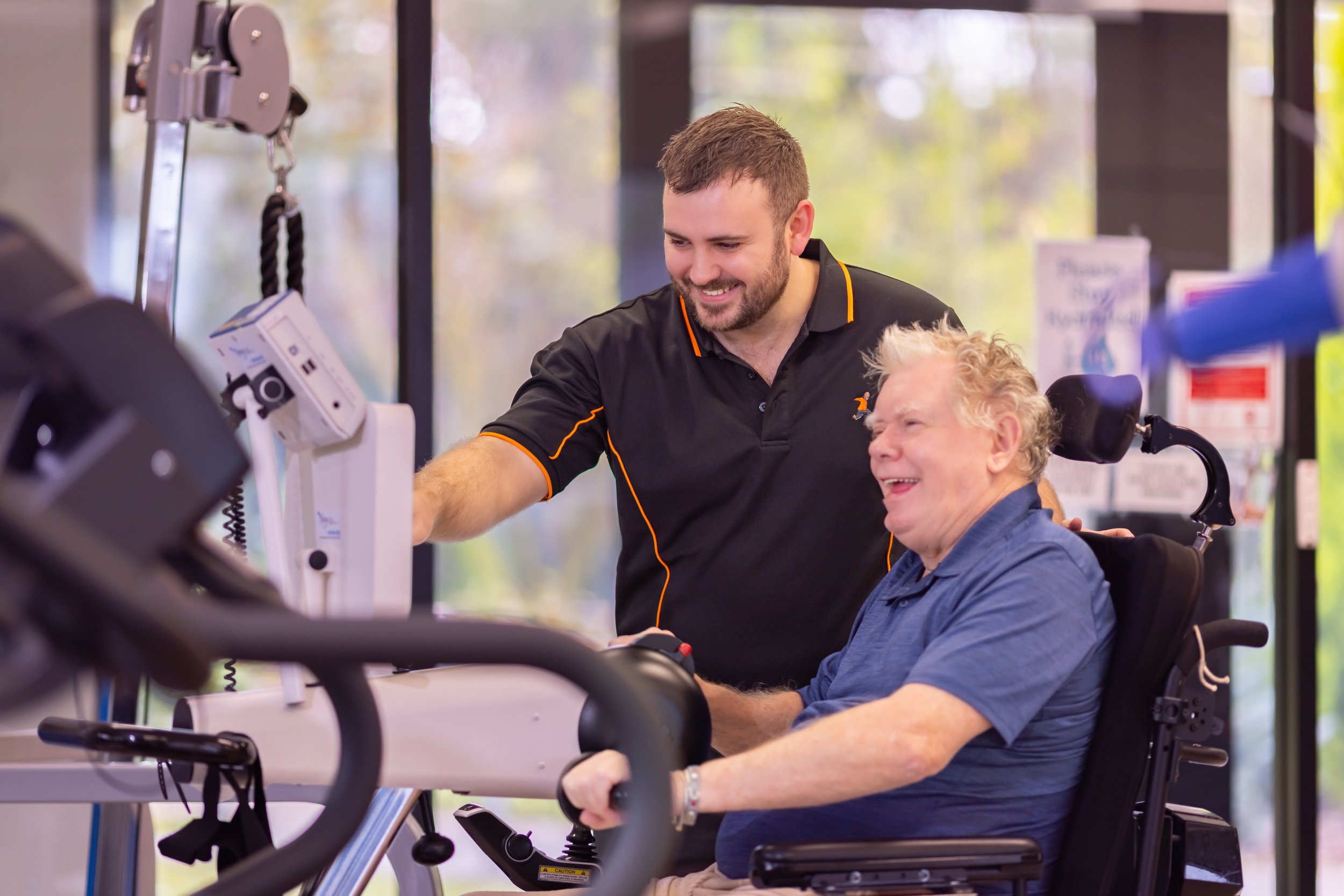
The Core Shift: From Diagnosis to Function
The most significant change is the move away from diagnosis-only eligibility. Under the new framework, the NDIA will shift away from relying on varied allied health reports. Instead, planning decisions will be driven by a standardised Support Needs Assessment conducted by a trained NDIA assessor. This assessment uses a tool called the I-CAN v6 (Instrument for the Classification and Assessment of Support Needs) to evaluate 12 areas of daily life.
The goal is to move the conversation from what condition you have to your actual day-to-day support needs and functional barriers.
| FEATURE | OLD SYSTEM (DIAGNOSIS-BASED) | NEW SYSTEM (FUNCTIONAL-BASED) |
|---|---|---|
| Primary Driver | Medical Diagnosis/Specialist Letter | Impact on Daily Life & Capacity |
| Evidence Needed | Clinical Diagnosis Report | NDIA Support Needs Assessment (I-CAN v6) & supplementary FCAs for complex needs |
| Focus Area | Type of Disability | Ability to perform tasks (mobility, self-care, social) across 12 domains |
| Funding Logic | Based on disability category | Based on support needs and functional barriers |
How These Reforms Impact Your NDIS Plan
These changes aren't just administrative; they affect the very fabric of your support structure. Across Australia, we are seeing three major areas of impact:
Support Coordination & Social Participation: From October 2026, budgets for social, civic, and community participation supports are being reset and progressively adjusted. This makes it more critical than ever to clearly document your functional barriers and support needs.
The Importance of "Evidence of Routine": The new framework focuses on what support is needed across a typical day and night. The NDIA wants to see documented routines, including tracking bad days and recording tasks that are unsafe or unrealistic without support.
Plan Reviews and Reassessments: Unscheduled plan reassessments will face tighter criteria, generally requiring significant and ongoing changes to a participant's functional capacity and support needs.
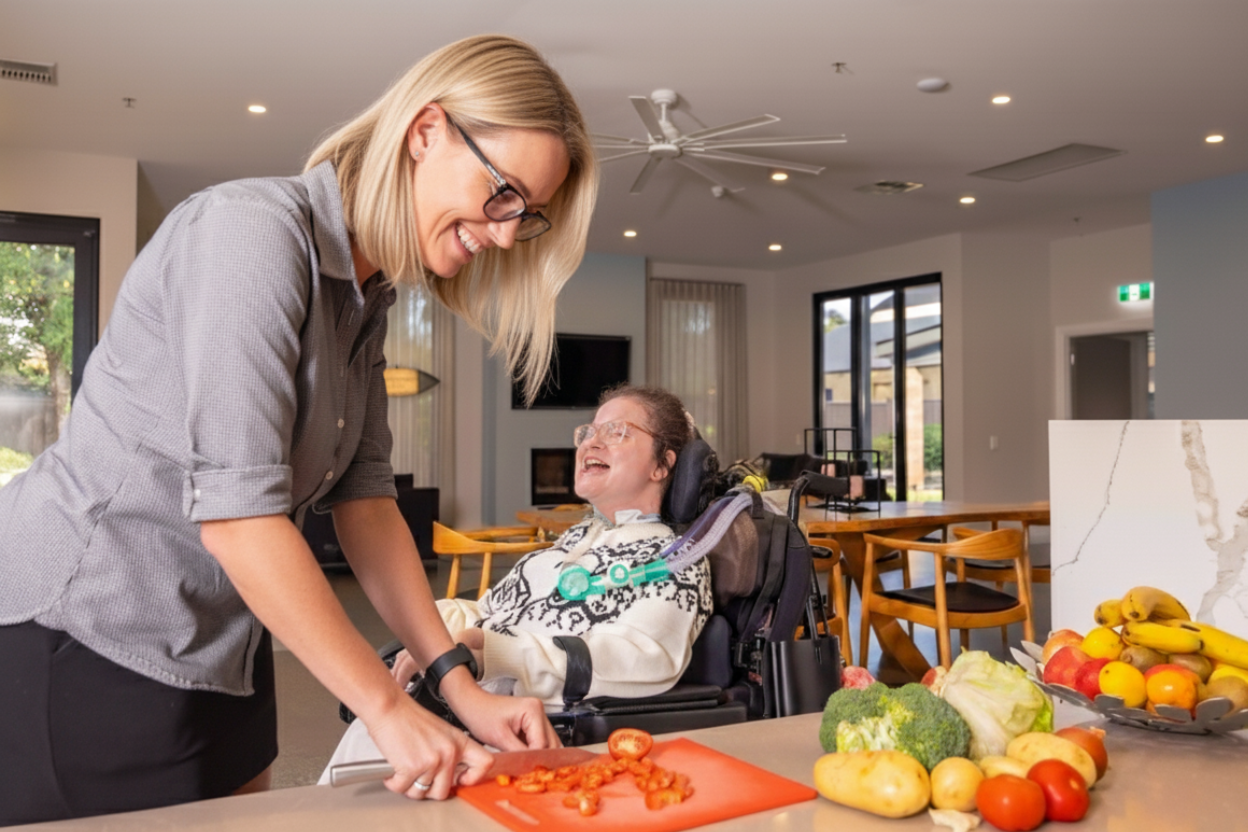
3 Steps to Prepare Your NDIS Evidence Today
Don't wait for your plan review date to start gathering evidence. Use this proactive approach to protect your funding:
Engage your Allied Health Team for Complex Needs: While the NDIA's structured Support Needs Assessment (I-CAN v6) will drive the budget calculation, your treating therapist's knowledge is still crucial. Use Occupational Therapy reports to justify complex supports or provide a clinical baseline for the NDIA assessor to review, especially for things like Supported Independent Living or complex assistive technology.
Start a "Daily Impact Log": Documenting your "bad days" is just as important as your good days. Keep evidence focused on day-to-day support needs, recording instances where you needed help across the 12 life domains assessed by the I-CAN v6.
Align Goals with Function: Your plan must still support your goals. Ensure they are written in a way that links a functional limitation to a required support.
Weak Goal: "I want to go to the shops."
Strong NDIS Goal: "I need support coordination to manage transport barriers so I can independently access community grocery stores."


Conclusion: Staying Ahead of the Reforms
While the NDIS reforms may seem daunting, they aim to create more consistent and flexible budgets based on actual support needs. By focusing on your daily routines, preparing for the new assessment process, and maintaining your health professional reports for complex needs, you can navigate these changes with confidence.
Are you unsure how these reforms affect your specific NDIS plan? SACARE team specializes in helping participants navigate functional assessments and plan optimization. Contact us today for a consultation.
